01In the store
Loss prevention stops you
A store can detain you before you reach the exit. You do not have to answer questions, write a statement, or sign a form admitting anything. What you say in the back office follows the case.

Middletown · Orange County · New York
Most petit larceny cases in Orange County are resolved without a trial. What matters is what is left on your record when yours is over.
Calls answered 24 hours a day
Cases from
If this is happening now
The first hour matters more than most people realize. What you say before you have a lawyer is the part that is hardest to undo later.
Answered 24 hours a day, including nights and weekends.
The shape of a case
Five stages, from the back office of the store to the day the case closes. Scroll to move through them.
The information on this page is general information about New York law. It is not legal advice about your case. Prior results do not guarantee a similar outcome. Every case turns on its own facts.
Charge checker
In New York, one dollar can be the difference between a misdemeanor and a felony. Enter what the store says the items were worth.
Petit larceny
A maximum is not a forecast. First offenses at this level often end without a conviction at all.
This tool reports what the New York Penal Law says about a dollar amount. It is not a prediction about your case and it is not legal advice. Prior results do not guarantee a similar outcome. Every case turns on its own facts.
Ask Randall about your caseWhat you are actually protecting
A shoplifting case is rarely about jail. It is about the background check three years from now, the licensing board, the landlord, the employer.
When a case ends in your favor, including after an adjournment in contemplation of dismissal, the record is generally sealed once the case terminates. That is the difference between explaining this for the rest of your life and not having to.
How sealing works in New YorkPrior results do not guarantee a similar outcome. Every case turns on its own facts. The information on this page is general information about New York law. It is not legal advice about your case.
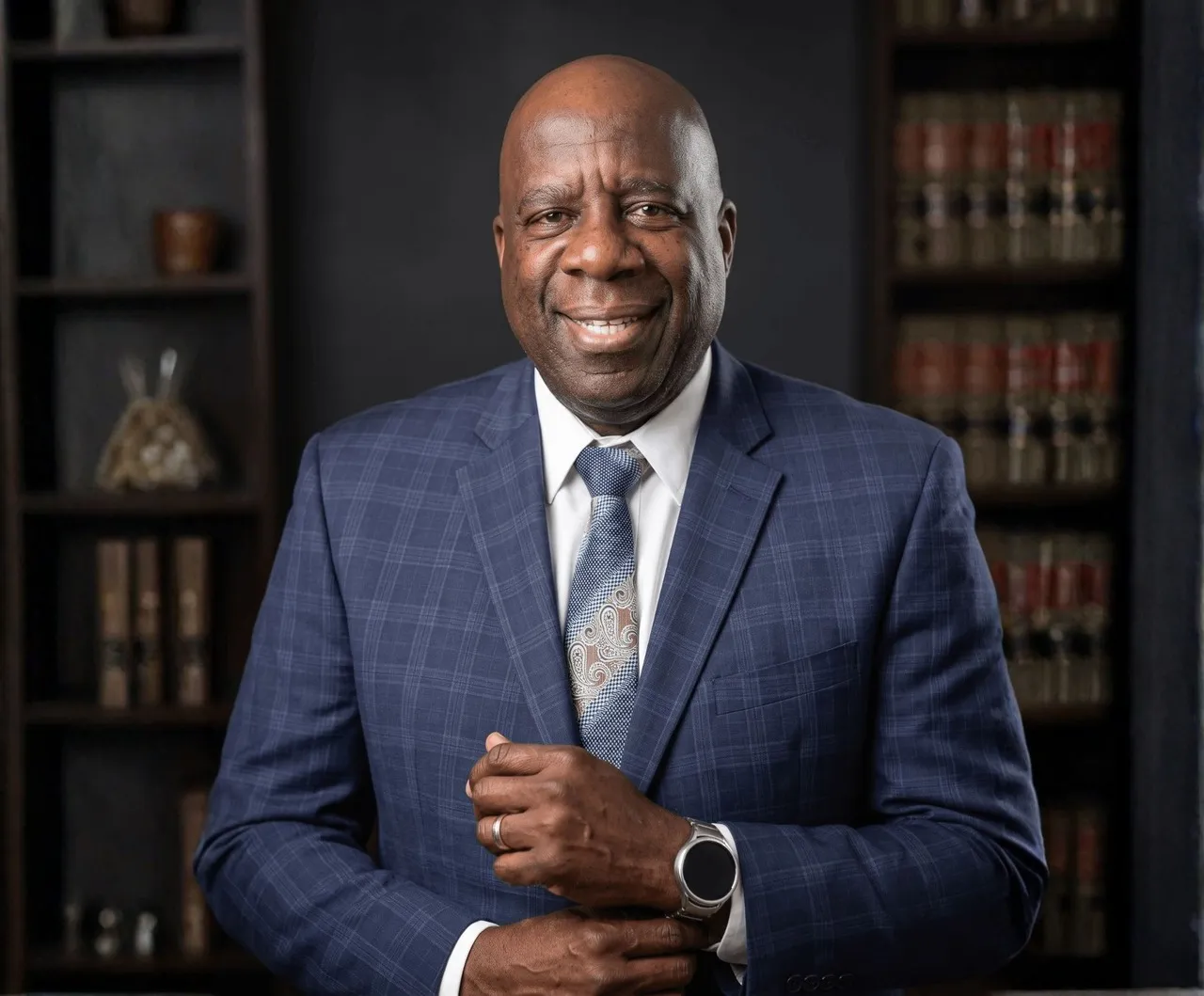
Who you would be calling
Randall F. Inniss served with the New York State Police from 1983 to 2005, as a Trooper, an Investigator and a Senior Investigator. He has been admitted to practice in New York since 2000. Before returning to private practice he spent a decade as a security director for the National Basketball Association.
That background is not a slogan. It is why the questions he asks about a retail stop are the ones the case usually turns on: what the surveillance shows and what it does not, how the merchandise was valued, whether the detention was reasonable, and what was said in the back office before anyone thought to write it down.
Randall's DWI and general criminal defense practice is attrooper2lawyer.com. This site covers shoplifting and larceny matters only.
Straight answers
Usually not. Shoplifting is prosecuted as larceny. If the merchandise is worth $1,000 or less the charge is petit larceny under Penal Law 155.25, a Class A misdemeanor. Above $1,000 it becomes grand larceny, which is a felony. The value the store assigns to the goods is therefore the most important number in the case, and it is not always right.
Petit larceny carries a statutory maximum of 364 days. A maximum is not a sentence. Where the value is low, the merchandise was recovered and there is no prior record, jail is not the typical outcome, and there are dispositions that end the case without any conviction.
If the case ends in your favor, including a dismissal that follows an adjournment in contemplation of dismissal, the record is generally sealed once the case terminates. A conviction is a separate question: eligible misdemeanor convictions may qualify for sealing under the Clean Slate Act after three years, and eligible felonies after eight, once the statutory conditions are satisfied.
There are several routes short of a conviction. An adjournment in contemplation of dismissal under CPL 170.55 adjourns the case with a view toward dismissal; if it is not restored within the statutory period, usually six months, the charge is dismissed. Outright dismissal, reduction to a non-criminal violation, and theft diversion programs are also possible depending on the facts, the court and your record.
That is a civil demand letter, authorized by General Obligations Law 11-105. It is a money demand from the retailer, and it sits outside the criminal case altogether. Paying it does not dismiss the charge and it is not a court-ordered fine. Speak to a lawyer before you pay it or sign anything attached to it.
Generally not in the way people expect. Miranda warnings apply to custodial questioning by law enforcement. Loss prevention staff are private employees, not police, so they are usually not required to give warnings before asking questions. What you said to them can still carry real weight, which is exactly why the advice is to say nothing.
Start here
There is no charge for the first conversation and nothing you say in it obligates you to anything. If you would rather speak than type, the phone is answered at any hour.
Four questions. It goes straight to him, not to an intake service.
Randall reviews these himself. If you would rather not wait, call(845) 000-0000.